Tim Jonatan But

ML researcher and engineer in London, and first author at SCAM 2026. My UCL MSc thesis asked whether one model can pass its behaviour to another through filtered synthetic data. Apparently, ‘I can’t help with that’ is a transferable skill.

Available now for research engineering and applied ML roles.

About

I'm Tim, a Finnish-Ukrainian ML researcher and engineer based in London. I've just finished my MSc Machine Learning at UCL, where my thesis studied behavioural transfer through filtered synthetic data. I've worked on language models for code at TNO-ESI, built a student-support agent at VU Amsterdam, and co-developed a VR farming simulator with climate researchers.

I'm interested in AI safety. I'd like this to remain a research interest rather than a survival skill.

Research & publications

First-author paperTNO-ESI & VU Amsterdam

Published · 2026 · SCAM 2026 · Engineering Track

Fine-Tuning or RAG? An Empirical Evaluation of Text-to-Cypher Translation for Code Graph Analysis

Tim But, Nan Yang, Joseph Reynolds, Laurens Prast, Mauricio Verano Merino, Rosilde Corvino

Code graphs describe how parts of a software system relate to one another. This study explores how language models can turn questions about those relationships into Cypher queries, making the graphs accessible through natural language. It compares fine-tuning with retrieval-augmented generation (RAG) on a 790-question benchmark of industrial code graphs.

With limited training data, RAG outperformed fine-tuning. For fine-tuning, data from the target domain was more useful than a much larger cross-domain dataset.

Code graph dependencies

Prompt

What depends on headerfile_12—and what does it depend on?

Example Cypher query
MATCH p = (h:HeaderFile)
  -[:Include]-(f:HeaderFile)
WHERE h.name = "headerfile_12"
RETURN p
Returned graph

Visualized here; passed to the model as JSON.

headerfile_08headerfile_03headerfile_12headerfile_01
Notes & source

Dependency query adapted from benchmark question 11. All three directed Include relationships are verified against the published GraphML; only HeaderFile neighbours are shown.

View dataset
MSc thesisUCL

Submitted · Sep 2026

Machine Memetics: Behavioural Transfer Through Filtered Model-Generated Data

Machine Memetics investigates whether a model's behaviour can transfer to another model through filtered synthetic training data. The experiments follow the process from data generation and filtering to fine-tuning and evaluation in Qwen, Gemma, and Llama. All three student models became more likely to refuse safe requests than models trained on matched neutral data, including when the training data came from a different model family.

The other behaviours were less clear: sycophancy results were inconclusive, and overclaiming results were mixed. Each training condition used one seed, so the findings do not establish reliability across repeated training runs.

Behavioural transfer

Qwen3-8B+10.4 percentage points
95% interval: +6.4 to +14.4 percentage points.
Gemma-3-4B-IT+4.8 percentage points
95% interval: +2.0 to +8.0 percentage points.
Llama-3.1-8B-Instruct+4.0 percentage points
95% interval: +1.6 to +6.4 percentage points.

Filtered − neutral · percentage points

Notes & source

MSc Table 4.4. Paired 95% item-bootstrap intervals, conditional on the trained checkpoints. One seed per condition; intervals do not measure variation between training runs.

Bachelor's thesisTNO-ESI

Completed · 2025

Evaluating & Fine-Tuning LLMs for Natural Language Querying of Code Graphs

This thesis studies how well language models translate natural-language questions into Cypher queries for code graphs. A purpose-built Text-to-Cypher dataset provides a common test for open and proprietary models, alongside experiments with fine-tuning. On this specialised schema, with limited training data, the choice of base model mattered more than small-scale fine-tuning.

Exact matches: base vs. fine-tuned

○ Base ● Fine-tuned
DeepSeek-R1-Distill-Qwen-7B1 → 15%
Gemma-3-4B20 → 28%
Gemma-3-12B40 → 43%
Ministral-8B36 → 38%

Few-shot · approximate readings from Figure 6

Notes & source

Share of exact graph matches (Jaccard = 1), with few-shot prompts. Rounded estimates read from BSc Figure 6, not raw evaluation data. GPT-4o and o3 scored approximately 54% and 62%, respectively.

Original figure in thesis

Selected projects

Group research projectUCL

Group project · 2026

Curriculum-driven exploration with learnable reward mixtures

CuReMix is a method for adapting what motivates a reinforcement-learning agent as it learns. It adjusts the balance between task rewards and two curiosity signals, rather than keeping their weights fixed throughout training. The method was evaluated on four Craftax-Classic tasks where rewards for completing the task are sparse.

It matched the final performance of the best task-specific fixed reward mixtures without a coefficient search, though convergence was slower. Developed as a group research project for UCL's COMP0258: Open-Endedness and General Intelligence.

CuReMix training dynamics

Reward weights (%)
Task rewardICMRND
Mean reward weights over training: Collect iron050100
Task return (% of maximum)
Mean task return over training: Collect iron050100Training range: 0 to 500M environment steps.

Environment steps · mean of three seeds

Notes & source

Graphs: mean curves traced from Figure 3 (three seeds); min–max bands omitted. Return is evaluated with all weight on the task reward. GIFs: original contour timelapses, with mean return in colour and normalized curriculum sampling as contours. Black cells are invalid reward mixtures.

Research softwareVU Amsterdam

Released · 2024

VARM Simulator: sustainable farming in VR

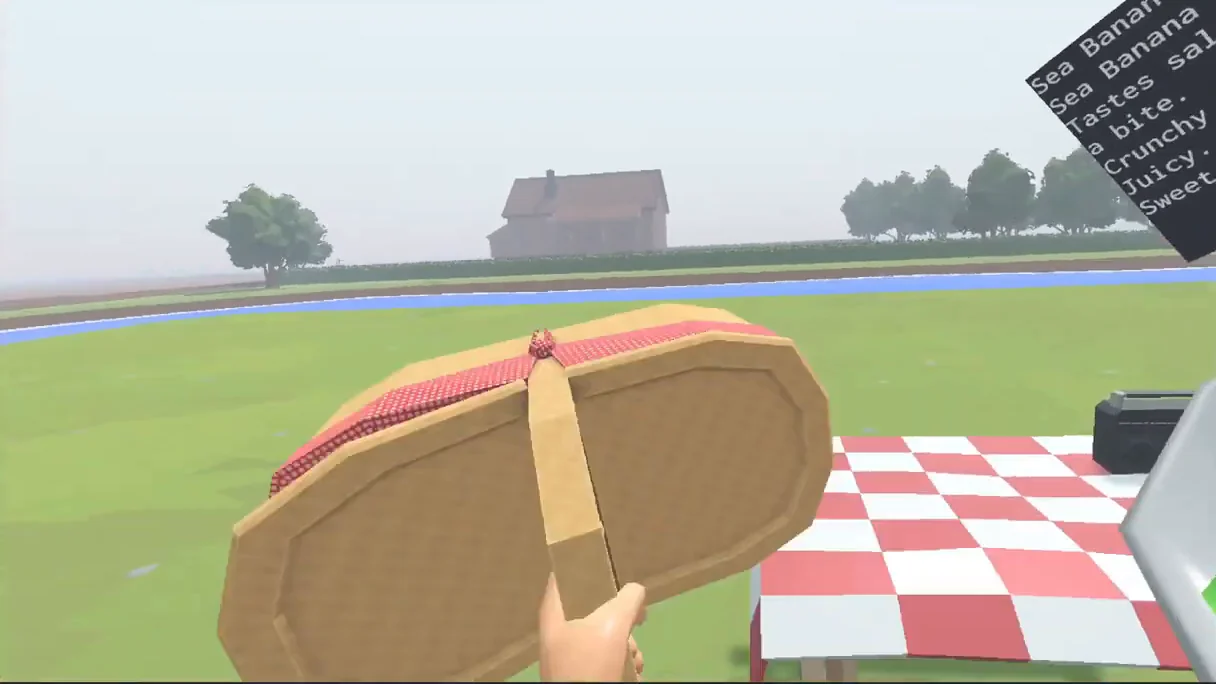
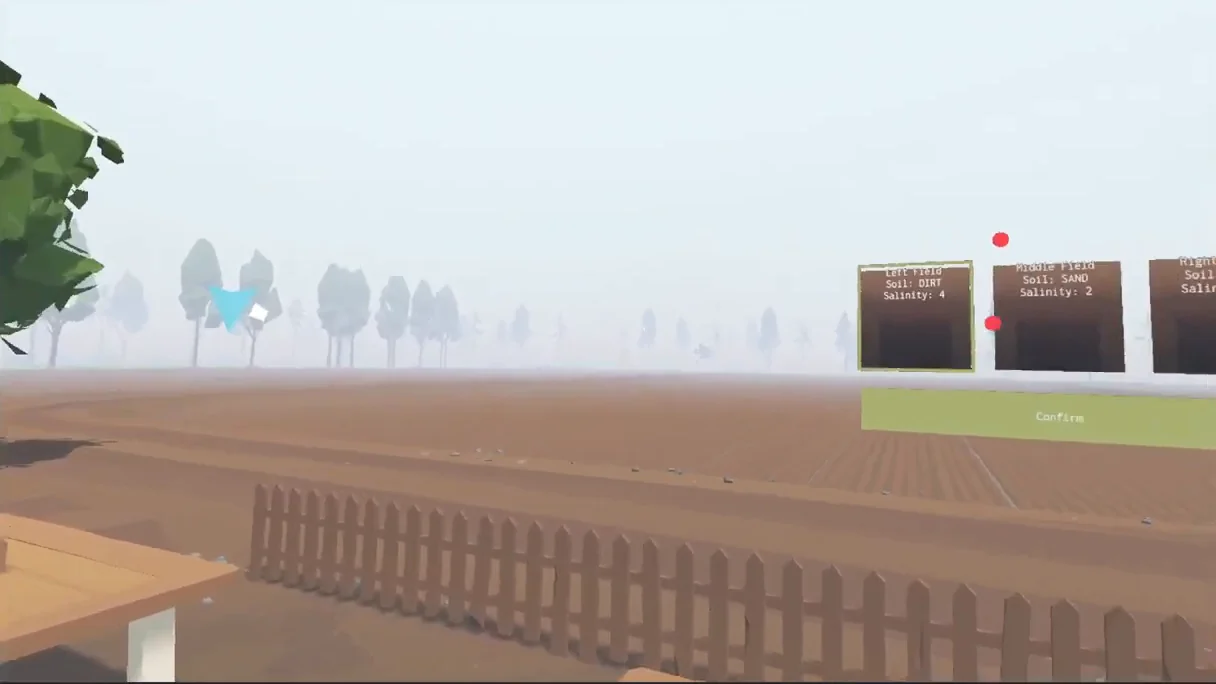
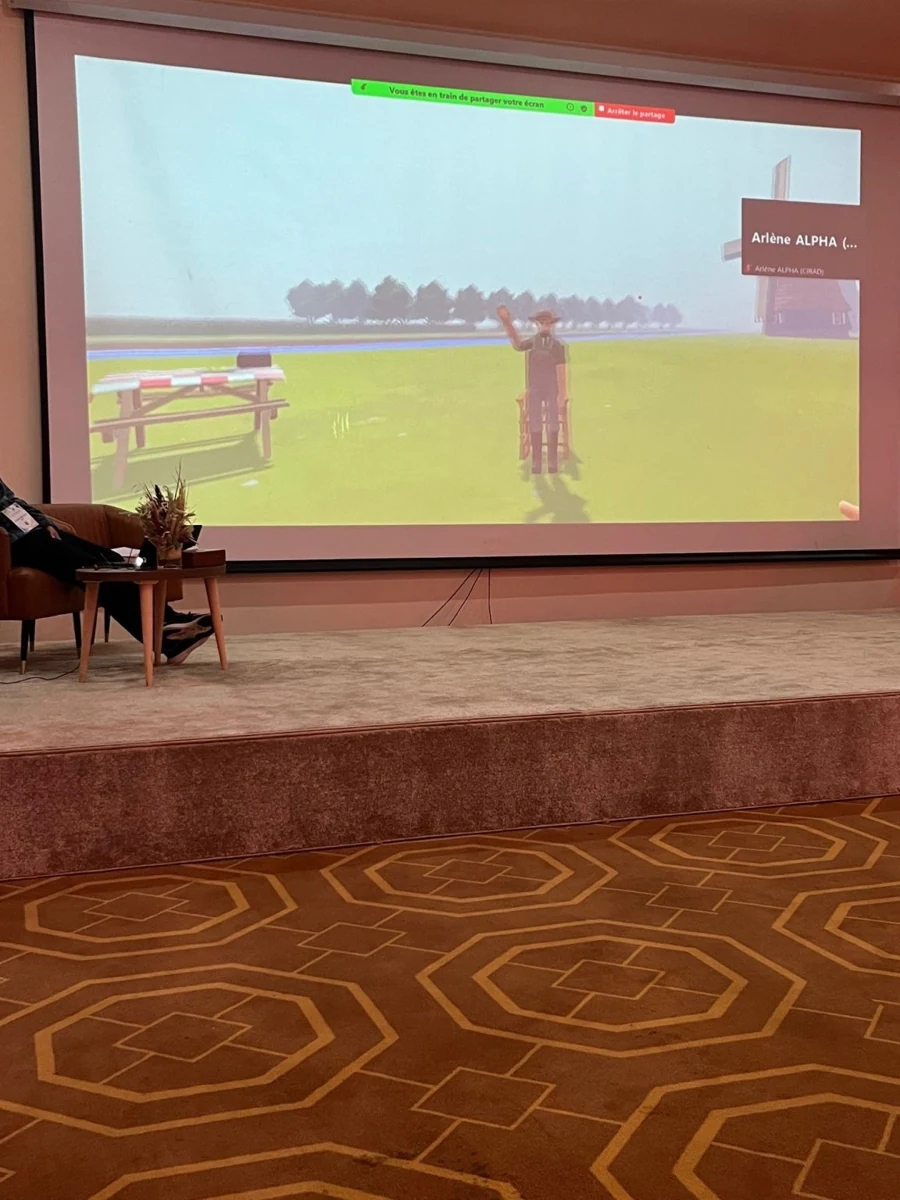
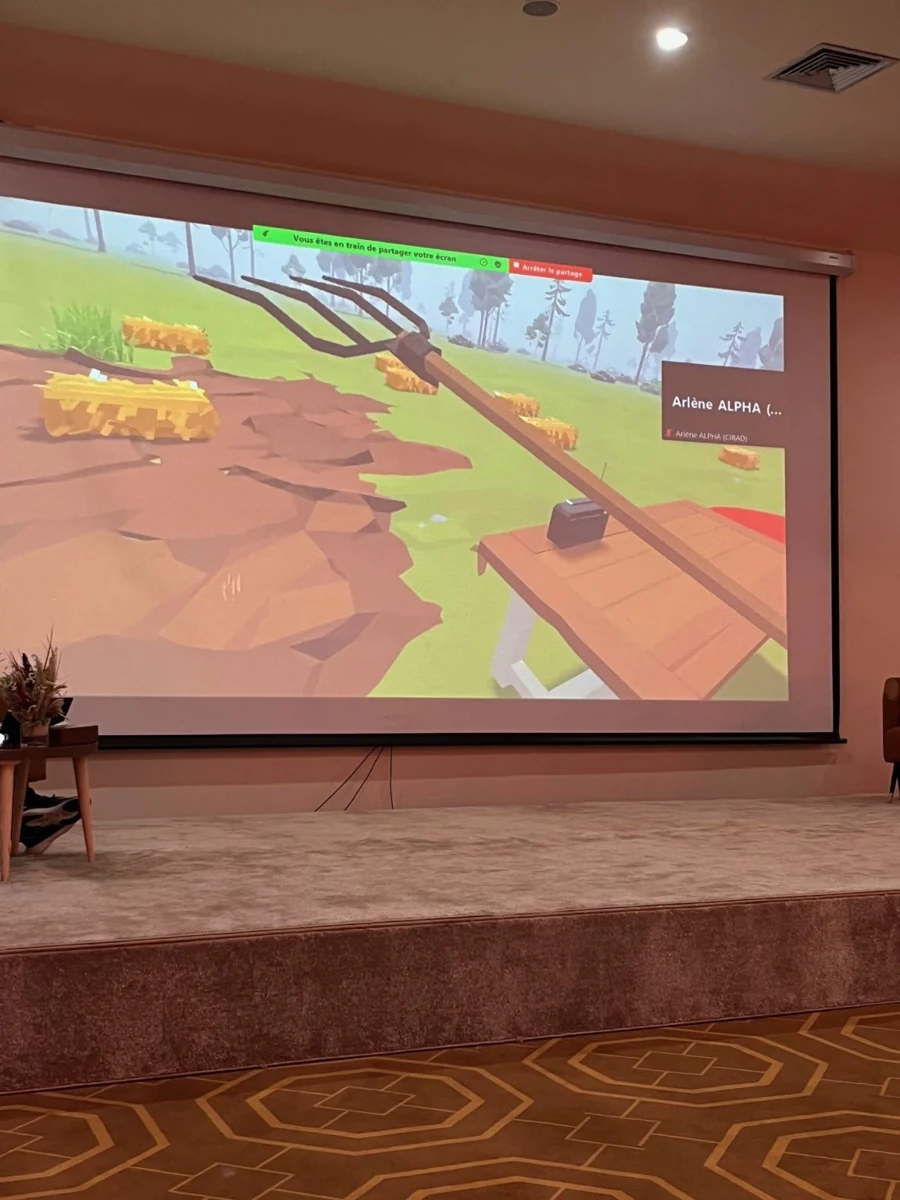
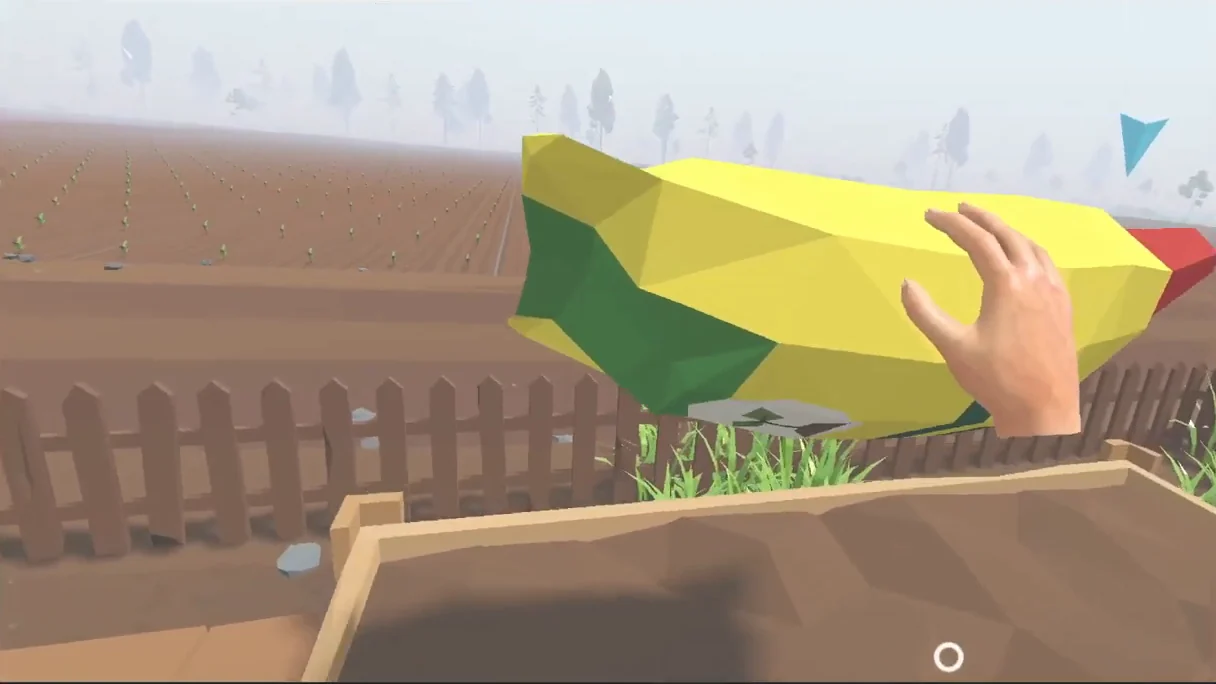
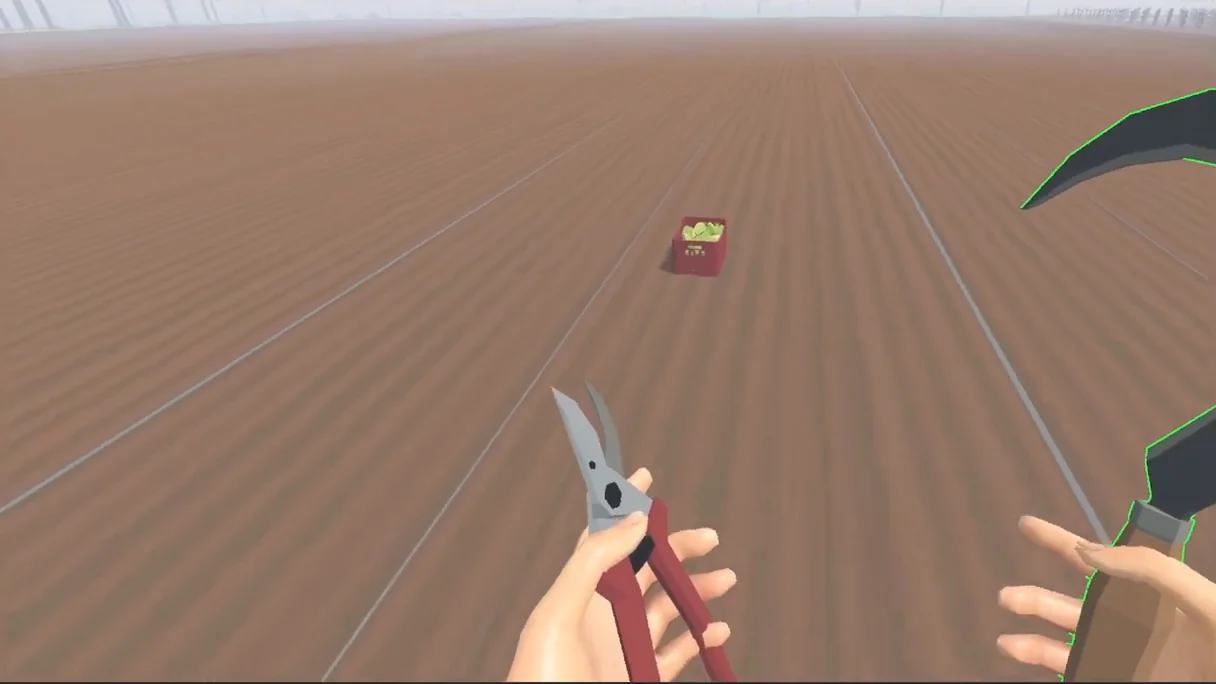
VARM Simulator is a publicly available VR farming game that turns research on climate, water use, and crop salinity into interactive farming scenarios. Built in Godot, it lets players explore sustainable farming through the activities and decisions of running a virtual farm.

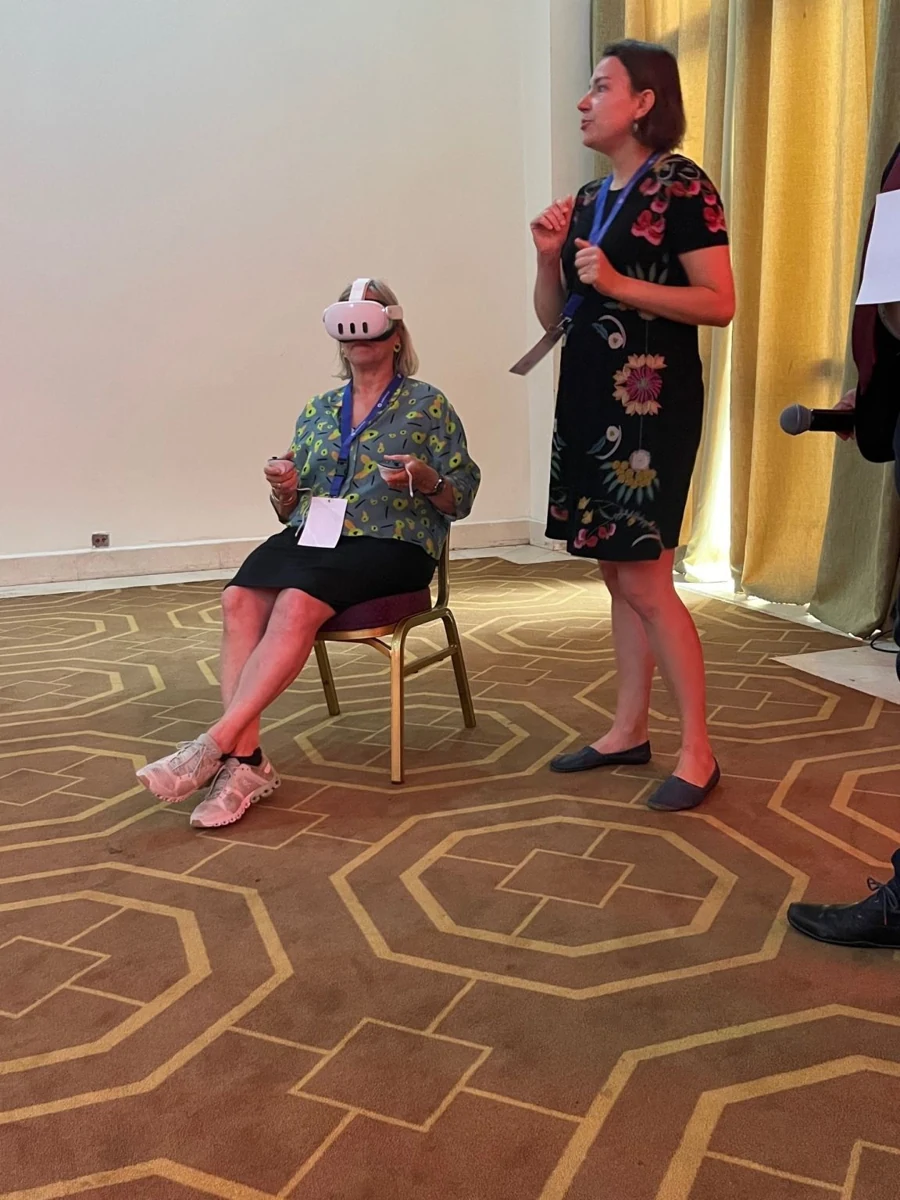
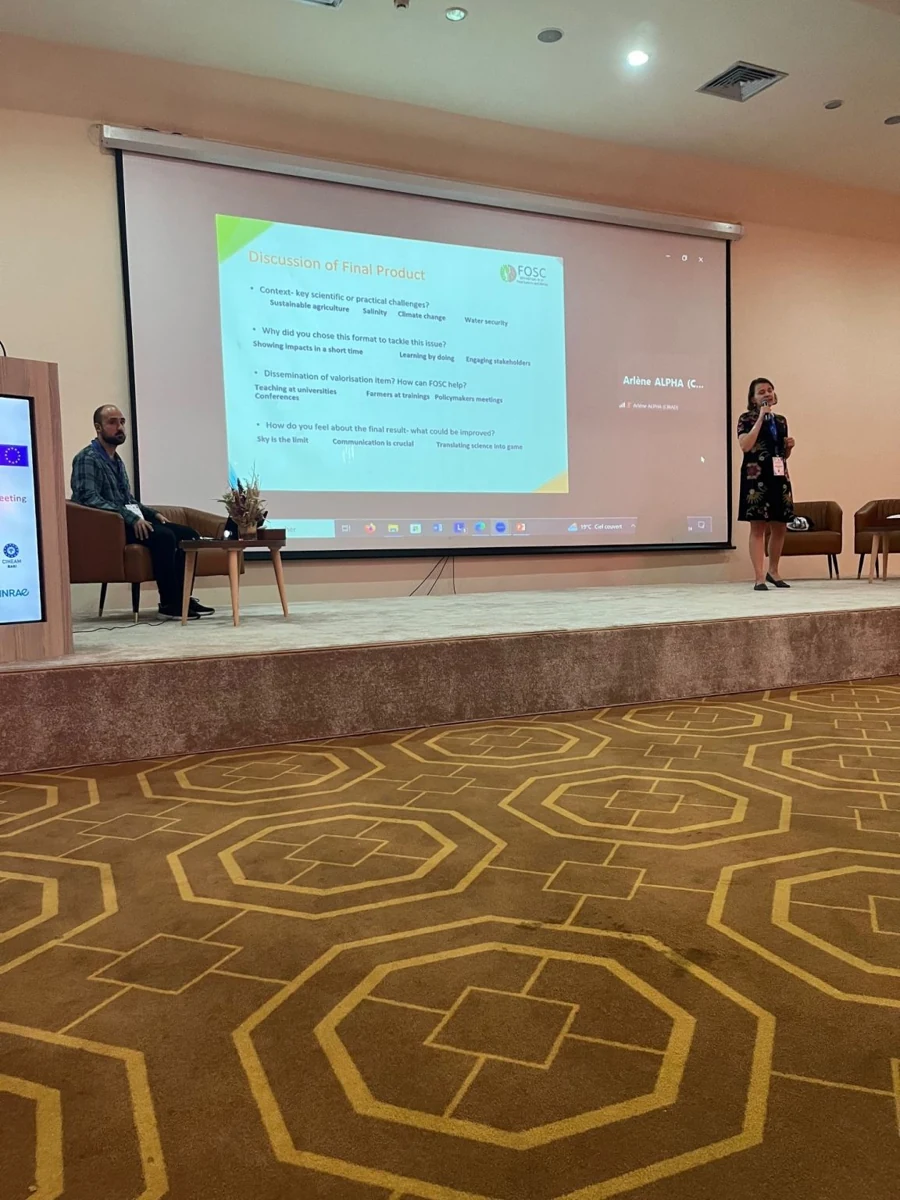
The project grew out of our SALAD & Trustfarm hackathon win and was developed with VU Amsterdam and the University of Twente. It was showcased at FOSC 2024 in Marrakesh for policymakers and funding agencies.

VARM: gameplay & FOSC demonstration

Notes & source

Gameplay frames from the itch.io demo. FOSC photographs from the organization's LinkedIn post, showing the VR demonstration and presentation.

Gameplay video on itch.io FOSC photographs

Experience

  1. Research Intern

    TNO-ESI

    Apr–Aug 2025

    Eindhoven, NL

    Evaluated LLMs as natural-language interfaces for high-complexity code-analysis tooling.

    • Developed evaluation tooling for a 790-question industrial code-graph benchmark.
    • Tested RAG and parameter-efficient fine-tuning in low-data regimes.
    • First author of the resulting study, presented at SCAM 2026.
  2. Research Assistant

    Vrije Universiteit Amsterdam

    Jun 2024–Apr 2025

    Amsterdam, NL

    Supported a longitudinal study of how students use AI in academic settings.

    • Deployed an LLM-integrated support agent in a large course Discord.
    • Built an analytics dashboard to classify intent and analyse questions at scale.
  3. Research Software Engineer

    Vrije Universiteit Amsterdam

    Jun–Oct 2024

    Amsterdam, NL

    Co-developed VARM Simulator, a publicly released educational VR game.

    • Implemented water-use and crop-salinity models in Godot.
    • The simulator was showcased to policymakers at FOSC 2024 in Marrakesh.
  4. Teaching Assistant

    Vrije Universiteit Amsterdam

    Sep 2023–Jul 2024

    Amsterdam, NL

    Taught Python, Intelligent Systems, and Applied Programming for AI.

    • Led more than 50 seminars.
    • Automated exam-result communication, saving 20+ staff-hours each month.
  5. Virtual Training Environment Overseer

    Finnish Defence Forces · Navy

    Jan–Sep 2022

    Dragsvik, FI

    Maintained simulation software and hardware for military training environments.

Education & awards

MSc Machine Learning

University College London

2025–2026

London, UK

  • Results pending; thesis submitted September 2026
  • Thesis: Machine Memetics — Behavioural Transfer Through Filtered Model-Generated Data
  • Completed Gatsby PhD core courses in Probabilistic and Unsupervised Learning, and Approximate Inference and Learning in Probabilistic Models

BSc Artificial Intelligence · Honours

Vrije Universiteit Amsterdam

2022–2025

Amsterdam, NL

  • GPA: 8.6/10
  • Thesis developed with TNO-ESI on LLMs for code-graph querying

Technical skills

Machine learning

  • PyTorch
  • Hugging Face Transformers
  • PEFT
  • TRL
  • Accelerate
  • scikit-learn
  • JAX
  • TensorFlow
  • MLflow
  • Pandas
  • NumPy

Programming

  • Python
  • JavaScript
  • C#
  • SQL
  • Cypher

Tools & platforms

  • Git
  • Linux
  • Docker
  • GCP
  • Slurm
  • Optuna
  • Neo4j
  • LaTeX
  • Godot
  • Unity
  • Blender

Languages

  • English
  • Swedish
  • Russian
  • Ukrainian · conversational